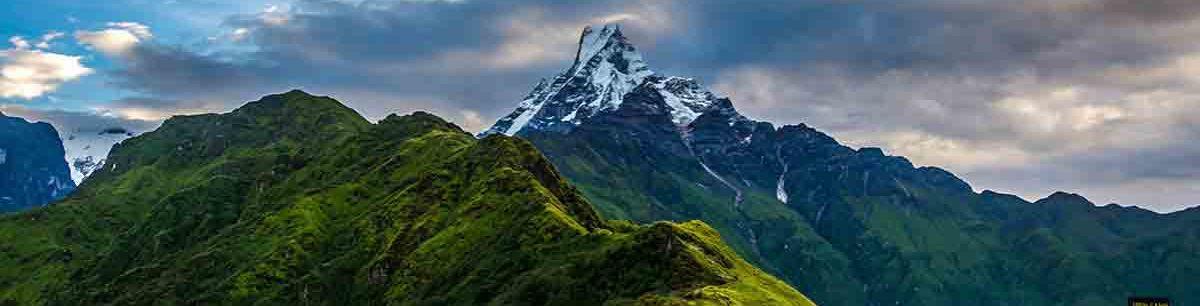
Conquer the Peaks: Why Post-Monsoon is the Best Time for Climbing Expeditions

Mountaineering is more than a sport—it is a calculated confrontation between human resilience and nature’s unforgiving heights. Among the many variables that determine the success and safety of a climbing expedition, timing remains paramount. For many experienced climbers and mountaineering guides, the post-monsoon season—roughly from late September to early November—is considered the optimal window for expeditions, especially in the Himalayas and other Asian mountain ranges. But why does this period garner such high regard?

This article explores the meteorological, environmental, logistical, and physiological advantages that make the post-monsoon season the best time for climbing expeditions.


Understanding the Post-Monsoon Season

In much of South and Central Asia, the monsoon season typically spans from June to early September, bringing heavy rainfall and volatile weather patterns. As the season winds down, a window of relative climatic stability emerges—this is the post-monsoon period.

The post-monsoon season, also known as the autumn climbing season, generally runs from late September through November, with some regional variations. During this time, the skies tend to clear, precipitation reduces significantly, and temperatures stabilize. It marks a seasonal shift, offering unique opportunities for mountaineers that are otherwise difficult to secure during other parts of the year.


Favorable Weather Conditions

One of the foremost reasons post-monsoon is ideal for climbing is predictable and stable weather. After months of chaotic monsoon weather, the atmosphere tends to settle:

  • Clear Skies: The constant cloud cover and rain that plague the monsoon season begin to dissipate, giving way to bright, clear days. This is crucial for navigation, photography, and morale.
  • Reduced Precipitation: Rainfall and snow are considerably lower than in the preceding months. Reduced moisture means fewer chances of flash floods, avalanches, or landslides.
  • Better Visibility: Post-monsoon skies offer high visibility—important for both visual route planning and for monitoring environmental hazards.

Meteorological studies have shown that the jet stream—high-altitude winds that influence mountain weather—tends to shift away from key Himalayan regions during the fall, further stabilizing conditions.


Improved Trail and Climbing Conditions

Heavy monsoon rains often lead to dangerous and deteriorated trail conditions. Once the rains subside:

  • Solidified Terrain: Trails, especially in the lower elevations, begin to dry up. Muddy, slippery routes firm up, making ascents and descents safer.
  • Reduced Risk of Avalanches: During the monsoon, freshly fallen snow accumulates dangerously on higher slopes, increasing avalanche risk. Post-monsoon, as the snow consolidates and stabilizes, this risk diminishes.
  • Receding Glacial Melt: Monsoon runoff can cause glaciers to become unstable. By autumn, the glacial conditions are more predictable and manageable.

Cleaner Air and Breathtaking Scenery

An underappreciated but highly impactful benefit of the post-monsoon season is the pristine air quality and striking visual clarity.

  • Dust and Pollutants Washed Away: The monsoon rains act as a natural cleanser, washing away airborne dust and pollution. This makes for crystal-clear vistas—a reward in itself for any climber.
  • Vivid Landscapes: Lush green foothills, snow-capped peaks, and blooming alpine flora create a picture-perfect landscape. Photographers and nature enthusiasts often find post-monsoon views unparalleled in beauty.

In Nepal, for example, views of iconic peaks like Ama Dablam, Everest, and Annapurna during October are considered among the most photogenic in the world.


Ideal Timeframe for High-Altitude Objectives

When climbing 6,000 to 8,000-meter peaks, weather windows are everything. Most summit pushes require a stable stretch of 3–5 days. The post-monsoon season provides this with higher frequency:

  • Successful Summit Attempts: Historical summit data from mountains like Everest, Manaslu, and Cho Oyu indicate more successful ascents in October than any other month outside the pre-monsoon season.
  • Manageable Cold: While it gets cold at altitude, the extreme winter cold hasn’t yet set in. This balance is critical for climber safety and performance.
  • Less Wind: High-altitude winds can be lethal. The lower wind speeds post-monsoon allow for safer and more comfortable summit attempts.

Fewer Hazards from Crevasses and Icefalls

In the pre-monsoon (spring), ice and snow are still melting from the winter. This causes shifts in icefalls and increases crevasse danger. In contrast:

  • Post-Monsoon Ice is More Stable: Snow has had time to settle and re-freeze after the monsoon, making icefall regions like the Khumbu Icefall (Everest) relatively safer.
  • Marked Routes: On popular peaks, early fall climbers help establish and mark routes, making later ascents easier and safer.

Peak Operational Efficiency and Support Services

Logistics play a crucial role in expedition success. The autumn season is not only ideal for natural conditions but also for human infrastructure:

  • Experienced Guides and Porters Available: This is one of the peak business seasons for local expedition companies, ensuring availability of top-tier staff.
  • Operational Airfields and Helicopters: Flights into remote base camps (e.g., Lukla, Jomsom) are more reliable in clear weather, reducing delays.
  • Well-Stocked Teahouses and Lodges: For trekkers en route to base camps, accommodations are open, stocked, and functioning at full capacity.

Stronger Physical and Mental Readiness

Climbers often train months in advance. Having post-monsoon as a goal allows for:

  • Summer Training: Many mountaineers spend summer preparing in ranges like the Alps or Rockies. An autumn expedition gives ample time for physical conditioning.
  • Psychological Readiness: The break after the monsoon offers a mental reset. The rejuvenated environment is both calming and invigorating.

Post-Monsoon Expeditions Offer Less Crowd Stress than Spring

Spring (pre-monsoon) is another popular season, but it comes with its own set of challenges:

  • Crowded Routes: Everest and other famous peaks can see bottlenecks, which increase summit-time exposure and risk.
  • Overused Infrastructure: Shelters and fixed ropes may be overused by the time late spring climbers arrive.

In contrast, post-monsoon climbs—though increasingly popular—still offer more solitude, faster ascent opportunities, and often more personalized support.


Popular Peaks for Post-Monsoon Expeditions

Some of the top climbing destinations for post-monsoon include:

  • Manaslu (8,163m): September and October are peak months for this Nepalese giant.
  • Ama Dablam (6,812m): Known for technical climbing and incredible views, autumn is the best time.
  • Island Peak (6,189m) and Mera Peak (6,476m): Ideal for beginner-to-intermediate climbers, post-monsoon ensures accessibility and safety.
  • Lobuche East (6,119m): Another popular trekking peak with excellent fall conditions.

Environmental Considerations

The post-monsoon season also aligns better with responsible tourism practices:

  • Reduced Soil Erosion: Compared to climbing during the wet monsoon or harsh winter, autumn ascents leave less impact on the fragile high-altitude environment.
  • Local Economic Boost: Autumn is a peak season for employment in Himalayan regions. Choosing this window supports local economies dependent on tourism and expedition services.

Conclusion

The post-monsoon season offers a convergence of ideal weather, stable terrain, operational support, and unmatched scenery—making it the prime window for safe, successful, and fulfilling climbing expeditions. Whether you’re an elite alpinist aiming for an 8,000-meter summit or a novice tackling your first trekking peak, this season presents the best balance between challenge and safety.

In a realm where precision and timing can mean the difference between success and catastrophe, post-monsoon is not just a season—it is a climber’s best strategic ally.

Why Autumn Is the Best Time to Visit Nepal: Weather, Festivals & Adventures

Nestled at the crossroads of the Himalayas and the Indian plains, Nepal is a land of staggering natural beauty and vibrant cultural traditions. While the country attracts travelers year-round, autumn—spanning mid-September through November—stands out as the prime season to visit. Drawing trekkers, cultural enthusiasts, and adventurers alike, autumn in Nepal promises an unparalleled experience thanks to its ideal weather, captivating festivals, and an array of thrilling outdoor activities.

Autumn in Nepal: An Overview

Nepal experiences five distinct seasons: spring, summer, monsoon, autumn, and winter. Among these, autumn provides the most pleasant conditions for travel, exploration, and immersion in local culture. During this period, the monsoon rains have subsided, skies clear to a deep azure, temperatures become comfortably moderate, and the country bursts into life with some of its grandest festivals and adventure opportunities.

The Weather Advantage: Clear Skies and Comfortable Temperatures

Post-Monsoon Clarity

Autumn begins as the monsoon season exits, washing away dust and haze from the air. This results in weeks of crystal-clear skies, vivid mountain vistas, and excellent visibility for both short excursions and high-altitude treks. The air is fresh and the landscapes are lush, freshly scrubbed by the rains.

  • Average Temperatures
    • In key destinations such as Kathmandu, daytime temperatures generally range from 20°C to 25°C, dropping to 10°C to 13°C at night. In valleys and hill regions, the weather is warm and pleasant, never too hot or cold for day excursions or city walks.
    • Mountain regions can dip to freezing points at night and early morning, but days are generally sunny and inviting—perfect for trekking.
LocationDay Temp (°C)Night Temp (°C)Notes
Kathmandu Valley20-2510-13Temperate, ideal for travel
Pokhara20-2510-15Lake views, clear skies
Everest Region5-15-3 to 5Chilly at high altitudes

Stable Weather for Outdoor Activities

Unlike spring and summer, when occasional rain or clouds can obscure vistas, autumn weather is consistently dry and predictable. Adventurers planning long treks or multi-day tours benefit from this reliability—a critical factor when exploring remote or high-altitude regions. Trails remain dry and accessible, and even Nepal’s notoriously rugged dirt roads are at their best after the monsoon’s end.

A Season of Festivity: Nepal’s Vibrant Autumn Festivals

Autumn is synonymous with celebration in Nepal. The country commemorates several of its most important cultural and religious festivals during this period. For travelers, these offer unique opportunities to witness and participate in living traditions.

Dashain: The Grandest Festival

  • Timing: Late September to early October
  • Significance: Dashain is Nepal’s longest and most cherished festival, spanning fifteen days. It celebrates the triumph of goddess Durga over evil.
  • Traditions:
    • Families unite, elders bless younger generations with “tika” and jamara (sacred grass).
    • Homes are cleaned and decorated, and elaborate rituals are performed. The entire nation gears down for communal feasts, animal sacrifices, and public gatherings.
    • Kite flying, fairs, and floral displays energize the streets.
  • Traveler’s Experience: Visitors are often welcomed into local homes, invited to observe or join the festivities, and can witness grand temple processions and masked dances.

Tihar: The Festival of Lights

  • Timing: October or November, about a fortnight after Dashain
  • Significance: Known as Deepawali in India, Tihar is a five-day celebration honoring different animals (crows, dogs, cows), the goddess of wealth (Laxmi), and the bond between brothers and sisters through “Bhai Tika”.
  • Traditions:
    • Homes and public spaces twinkle with candles, oil lamps, and colorful “rangoli” designs.
    • Unique animal worship rituals are performed, and families gather for music, sweets, and blessings.
  • Traveler’s Experience: Cultural events, musical performances, and illuminated sights abound. Foreigners can engage in community celebrations and enjoy the magical nighttime atmosphere.

Indra Jatra and Chhath

  • Indra Jatra: Celebrated in Kathmandu with masked dances, chariot processions, and public display of the living goddess Kumari.
  • Chhath: Especially in the Terai region, this festival honors the Sun God with riverside rituals, prayer, and offerings.

Why Autumn Festivals Enhance Travel

  • Cultural Immersion: Festivals offer a window into Nepal’s deeply spiritual and communal way of life. Travelers can actively participate rather than just observe.
  • Photography & Memories: Streets and temples are adorned with lights, flowers, and color, providing a vibrant backdrop for unforgettable photos and cultural insight.
  • Culinary Delights: Festival periods bring a wealth of traditional foods, sweets, and beverages—many unique to the celebration.

Adventures Abound: Trekking and Outdoor Sports

Autumn is undoubtedly the peak season for adventure tourism in Nepal. The stable weather, clear skies, and breathtaking landscapes attract thrill-seekers and nature lovers from around the world.

World-Famous Treks

Everest Base Camp Trek

  • Highlights:
    • Panoramic views of Everest, Lhotse, Ama Dablam, and neighboring giants.
    • Autumn offers crisp visibility, vibrant mountain foliage, and the energy of many fellow trekkers.

Annapurna Circuit & Base Camp Trek

  • Highlights:
    • Traverse from subtropical forests to alpine meadows, through remote villages and high-altitude passes.
    • Clear skies reveal Annapurna, Dhaulagiri, Manaslu, and Machapuchare peaks in their full splendor.

Manaslu, Langtang, and Upper Mustang

  • Why Visit in Autumn:
    • Improved trail conditions, open tea houses, and a lively atmosphere in villages along these routes.
    • The dry climate reduces the risk of landslides and makes river crossings safer.

Wildlife Safaris

  • Chitwan and Bardia National Parks
    • Autumn is the best period for wildlife viewing, with rivers running clear and grasslands open after the monsoon’s growth spurt.
    • Visitors might spot rhinos, elephants, crocodiles, Bengal tigers, and an array of birdlife on jeep safaris, canoe rides, or guided walks.

Adventure Sports

  • Paragliding: Pokhara, with its gentle thermals and clear skies, is ranked as one of the world’s top spots for tandem paragliding.
  • White-water Rafting: Rivers like the Trishuli, Seti, and Bhote Koshi run at exhilarating—but safer—levels in autumn. Rafting journeys offer both adrenaline and scenic beauty.
  • Bungee Jumping/Rock Climbing: Dry trails and warm days make for ideal conditions near the Bhote Koshi gorge and other adventure hotspots.

Stunning Scenery, Lively Cities, and Accessible Travel

Picture-Perfect Landscapes

With post-monsoon clarity, the autumn landscape of Nepal is at its most photogenic. Fields in the Terai and mid-hills glow with ripening crops, forests display diverse autumn colors, and the mountains stand starkly against bright blue skies. Sunrise and sunset views over the Himalayas from iconic vantage points like Nagarkot and Sarangkot are especially breathtaking.

Visitor-Friendly Infrastructure

  • Open Trails and Teahouses: Most trekking routes, especially in the Annapurna and Everest regions, are fully open with teahouses in operation and local guides at hand.
  • Festive Atmosphere in Cities: Kathmandu, Bhaktapur, and Pokhara buzz with market fairs, cultural events, and street performances linked to the season’s festivals.
  • Comfortable Urban Exploration: The cool but not chilly climate is ideal for tourists exploring UNESCO sites, museums, and ancient alleyways.

Practical Considerations

When Exactly to Visit

  • Mid-September to Late November: This window maximizes your chances for perfect trekking weather, clear mountain vistas, and participation in key festivals.

Preparation Tips

  • Book in Advance: This is peak tourism season; reserve accommodation and trekking packages early.
  • Pack for Varied Conditions: Bring layers, sun protection, and sturdy trekking boots. Evenings can be cold, especially in the mountains.
  • Respect Local Customs: Take the opportunity to learn about Nepalese culture and etiquette, especially if invited to festival activities or home visits.

Conclusion

Autumn in Nepal is much more than a simple tourist season; it’s a spectacular convergence of perfect weather, living traditions, and world-class adventure. The sky clears to reveal the world’s highest peaks, the spirit of celebration infuses daily life, and every step—whether on a mountain trail or down a city alley—reveals a new facet of this extraordinary country. Whether your interests lie in trekking, festival-hopping, wildlife-spotting, or simply soaking in the serene beauty, no other season matches the vibrancy and vibrance of autumn in Nepal.

Nepal Cultural Tour in Autumn: Temples, Rituals, and Colorful Celebrations

Nepal, nestled in the lap of the Himalayas, is a treasure trove of cultural heritage, sacred rituals, ancient temples, and colorful festivals. While the country’s towering peaks draw trekkers and mountaineers from around the globe, its soul lies in its deep-rooted traditions and spiritual vibrance.

If you’re seeking a journey that goes beyond landscapes to explore Nepal’s heart and heritage, there is no better time to visit than autumn (September to November). Not only is this the season of clear skies and pleasant weather, but it also hosts the biggest and most meaningful festivals in Nepali culture, making it a perfect time for a cultural tour.

In this article, we guide you through Nepal’s cultural highlights in autumn, exploring vibrant celebrations, ancient temples, and time-honored traditions that come alive during this sacred season.


Why Autumn is Ideal for Cultural Travel in Nepal

Autumn in Nepal brings more than just favorable weather and scenic beauty; it marks the spiritual and cultural high point of the year. Key reasons to plan a cultural tour during this time include:

  • Major festivals: Dashain and Tihar, Nepal’s biggest religious festivals, fall in this season.
  • Pleasant climate: Clear skies and cool temperatures make it ideal for sightseeing and walking tours.
  • Harvest season: Rural life is vibrant with music, rituals, and community gatherings.
  • Temples and towns come alive: Pilgrimage sites and cities are illuminated and adorned with flowers, lights, and offerings.

Dashain: The Festival of Victory and Blessings

 When: Late September to mid-October (dates vary by lunar calendar)

 Duration: 15 days

 Significance: Victory of good over evil, family reunions, blessings from elders

Dashain is Nepal’s most important and widely celebrated festival. It commemorates the victory of the Hindu goddess Durga over the demon Mahishasura, symbolizing the triumph of good over evil.

During Dashain:

  • Families clean and decorate their homes.
  • Elaborate rituals are performed in temples and homes.
  • People return to their ancestral homes to receive “tika” (a mixture of yogurt, rice, and vermillion) and jamara (sacred barley shoots) from elders.
  • Kite flying, animal sacrifices, and traditional feasting mark the celebrations.

 Cultural Hotspots:

  • Hanuman Dhoka Durbar Square (Kathmandu): The royal Dashain festival is performed here, especially at Kumari Ghar, home of the Living Goddess.
  • Gorkha Durbar: Historically significant as the home of King Prithvi Narayan Shah, it’s a powerful Dashain pilgrimage site.

Tihar: The Festival of Lights and Brotherhood

 When: October or early November (5 days after Dashain)

 Duration: 5 days

 Significance: Honoring animals, wealth, and relationships; similar to Diwali in India

Known as the festival of lights, Tihar is perhaps the most colorful festival in Nepal. Each day is dedicated to a different element of life:

  • Day 1 (Kaag Tihar): Crows are fed as messengers of the underworld.
  • Day 2 (Kukur Tihar): Dogs are honored for loyalty and protection.
  • Day 3 (Gai Tihar & Laxmi Puja): Cows are worshipped, and homes are lit up to invite Goddess Laxmi, deity of wealth.
  • Day 4 (Govardhan Puja or Mha Puja): Oxen are venerated; Newars perform rituals for inner purification.
  • Day 5 (Bhai Tika): Sisters bless their brothers with tika, garlands, and sweets.

Tihar transforms cities into a realm of lights, music, and devotion. Streets and homes are adorned with oil lamps (diyas), candles, and colorful rangoli designs.

 Cultural Highlight: Deusi-Bhailo, a traditional form of group singing and dancing performed by children and youths, fills neighborhoods with joy.


Indra Jatra: The Living Goddess and Ancient Rituals

When: September (based on lunar calendar)

 Location: Kathmandu Durbar Square

 Significance: Honoring Lord Indra, god of rain and heaven

Indra Jatra is the biggest street festival in Kathmandu, known for its dramatic rituals, mask dances, and chariot processions. A central feature is the Kumari Jatra, where the Kumari, Nepal’s Living Goddess, is paraded through the city on a wooden chariot.

 Highlights:

  • Lakhey dances: Masked demons dance through the streets to ward off evil spirits.
  • Raising of the Yosin pole: A ceremonial pole is erected to mark the beginning of the festival.
  • Bhairab masks: Large masks of Bhairab (Shiva’s fierce form) are displayed and offer sacred alcohol to devotees.

Indra Jatra is a unique blend of Hindu and Buddhist traditions and gives visitors a rare chance to witness Nepal’s Living Deity in a public setting.


Temples to Visit During Autumn

Autumn is the perfect time to explore Nepal’s temples, which become spiritual and social hubs during festival season.

 Pashupatinath Temple (Kathmandu)

  • One of the holiest Hindu temples dedicated to Lord Shiva.
  • Located on the banks of the Bagmati River.
  • Witness evening aarati ceremonies, with music, fire, and chanting.

 Swayambhunath (Monkey Temple)

  • A UNESCO World Heritage Site and one of the oldest stupas in Nepal.
  • Offers panoramic views of Kathmandu Valley.
  • Blend of Hindu and Buddhist symbolism.

 Boudhanath Stupa

  • The largest stupa in Nepal and a focal point of Tibetan Buddhism.
  • Monks in maroon robes chant prayers while pilgrims walk around the stupa spinning prayer wheels.
  • Especially active during Lhabab Duchen (Buddha’s descent from heaven), often celebrated in autumn.

 Manakamana Temple (Gorkha)

  • A sacred wish-fulfilling goddess temple accessible by cable car.
  • Autumn offers clear views of the Himalayas during the journey.

Traditional Art, Music & Dance

Autumn is not just a time of prayer but also one of performance. During festivals, towns and villages host traditional music and dances passed down for generations.

 Key Traditions:

  • Lakhey dance: Performed by masked dancers during Indra Jatra.
  • Newar bhajan and dapa groups: Chant devotional music in Kathmandu Valley neighborhoods.
  • Deusi and Bhailo songs: Sung during Tihar by groups collecting blessings and donations.

 Local Crafts:

Visit traditional artisans in Bhaktapur and Patan to witness:

  • Thangka painting (Buddhist spiritual art)
  • Metal casting (Buddha and deity statues)
  • Wood carving on temples and doors

Autumn is a great time to buy local, handmade souvenirs and support Nepal’s cultural heritage.


Cultural Towns and Villages to Explore

Beyond temples and cities, Nepal’s towns and rural villages offer immersive cultural experiences.

 Bandipur

  • A beautifully preserved hill town with Newar architecture and traditional hospitality.
  • Offers sweeping views of the Himalayas.
  • Hosts local festivals and cultural walks.

 Tansen (Palpa)

  • A charming hill town with cobbled streets and Rana-era buildings.
  • Known for its Dhaka fabric, used in traditional Nepali hats (topi).
  • Visit during local fairs and religious celebrations in autumn.

 Gorkha

  • The birthplace of King Prithvi Narayan Shah.
  • Offers historical and spiritual insights into Nepal’s unification.
  • Home to Gorkha Durbar and Gorkha Museum.

Combine Culture with Nature

Cultural tours in Nepal don’t have to exclude natural beauty. Autumn offers a unique opportunity to combine temple visits with scenic experiences:

  • Visit Poon Hill for sunrise over Annapurna, then explore nearby Ghandruk, a Gurung village rich in culture.
  • Explore Namobuddha, a sacred Buddhist site in the hills near Kathmandu, surrounded by monasteries and forests.
  • Attend full-moon pujas at Kopan Monastery, followed by quiet time in the Himalayan foothills.

Travel Tips for a Cultural Tour in Autumn

  • Dress respectfully: Cover shoulders and knees when entering temples.
  • Plan around festivals: Book accommodation in advance, especially during Dashain and Tihar.
  • Respect rituals: Ask before photographing religious ceremonies.
  • Use local guides: For deeper understanding and access to hidden gems.
  • Participate respectfully: Join in singing, dancing, or receiving tika when invited.

Conclusion: A Season of Soul and Celebration

Autumn in Nepal is more than just a season—it’s a sacred time when the country’s cultural identity shines at its brightest. From ancient temples to bustling festivals, from age-old dances to timeless traditions, every corner of Nepal radiates spiritual energy and communal joy.

Whether you walk through Kathmandu’s old quarters, light lamps during Tihar, or receive tika from a village elder, your autumn cultural tour in Nepal will be filled with moments that nourish the heart and soul.

So come with an open mind and a respectful spirit—Nepal’s autumn awaits to share its wisdom, beauty, and light.

Mera Peak Climbing Guide 2025: Everything You Need to Know for a Safe and Successful Ascent

Mera Peak Climbing Guide 2025: Everything You Need to Know for a Safe and Successful Ascent offers a comprehensive and human-centered look at one of Nepal’s most rewarding high-altitude adventures. As the highest trekking peak in the country at 6,476 meters (21,247 ft), Mera Peak provides a thrilling yet approachable climbing experience for physically prepared trekkers, even those with limited technical mountaineering background. This guide covers every crucial aspect of the expedition—from choosing the best season, securing permits, and training tips, to understanding the risks of altitude sickness and planning summit day strategy. With updated information for 2025, it also highlights eco-conscious practices, local culture in the Hinku Valley, and how to prepare both mentally and physically for a safe, sustainable journey in the Himalayas. Whether you’re aiming for your first Himalayan summit or expanding your climbing resume, this guide is your all-in-one resource for making Mera Peak a life-changing achievement.


 Why Choose Mera Peak in 2025?

  1. The Highest “Trekking Peak”
    Officially part of Nepal’s NMA trekking peaks with a glacier ascent route, Mera is the tallest of its kind (approximately 6,476 m) .Reaching the summit rewards you with breathtaking 360° views of Everest, Lhotse, Makalu, Cho Oyu, and more
  2. Feasible Yet Fulfilling
    Though high in altitude, the route is non-technical: glacier travel with basic rope protection and crampons, minimal steep ice, and no major technical rock climbing .
  3. Well-Structured for Health & Safety
    Programs now prioritize acclimatization, regular medical checks, extra rest days, emergency planning, and guided climbing to prevent altitude sickness and other risks
  4. Rich in Culture
    The trek passes through Sherpa villages in lush Rhododendron forests and remote valleys like Hinku, offering a genuine Himalayan immersion before even reaching base camp

 Best Time to Climb

  • Autumn (September–November): Prime season with stable weather, clear skies, moderate temperatures, and lower avalanche risk. Permit cost: USD 125 .
  • Spring (March–May): Also excellent, with blooming Rhododendrons, long daylight, and good visibility. Permit cost: USD 250
  • Off‑Season (June–August; December–February): Less busy but riskier: poor trail conditions, snow or rain, and limited service. Permit cost: USD 70

 Permits & Legal Requirements

You must obtain permits via a licensed Nepali trekking agency—solo access without a guide is not permitted unless you’re an experienced professional climber

Required permits:

  1. Mera Peak Climbing Permit (via NMA; grouped fees per season as above)
  2. Sagarmatha National Park Entry Permit / Makalu Barun Conservation: NPR 3,000 (~USD 30) for foreigners
  3. Khumbu Pasang Lhamu Rural Municipality Local Area Permit: NPR ~2,000‑3,000 (~USD 15‑20) depending on duration .
  4. Garbage Deposit Fee: USD 250–500 refundable on completion for responsible waste management

These are usually included in full-service packages from reputable operators.


 Pre-Trip Preparation

Physical Conditioning

  • Start at least 4–6 months ahead: cardiovascular work (running, cycling, hiking), leg-strength training, and stair climbing. Light technical training (ice axe, crampon use) is helpful

Medical & Insurance

  • Medical check-up: discuss altitude and medications.
  • Vaccinations: Hepatitis A, Typhoid, seasonal flu, COVID-19 immunization advised
  • Insurance: Must explicitly cover high-altitude trekking (>6,000 m) and emergency helicopter evacuation (USD 3,000–6,000 costs) .

Gear & Packing

  • Four-season sleeping bag rated to −15°C, mountaineering boots, down jacket, climbing harness, helmet, crampons, ice axe, insulated layers, sun protection, first aid/rescue gear
  • Many groups rent mountaineering boots in Khare (at high camp), though buying your own ensures better fit and hygiene—some rentals break so plan ahead

 Typical Itinerary (15–18 Days)

DayPlan
1–2Arrive in Kathmandu (1,400 m), hotel stay, permits, gear check
3Fly to Lukla (2,840 m) via Manthali Airport (~2:30 AM drive), begin trek into forest
4–7Trek through villages—Pangum, Kothe, Tagnag—gaining altitude, reaching Khare (~5,000 m)
8–10Acclimatization days at Khare with light hikes, mountaineering training
11Trek to Mera Base Camp (~5,400 m), preparation
12Move to High Camp (~5,900 m), rest and summit briefing
13Summit Mera Peak (6,476 m) in pre‑dawn push (2–4 a.m.), then descend back to Base Camp
14–17Trek back via same route, return to Lukla, fly to Kathmandu, buffer days for weather delays
18Depart Kathmandu with summit memories

Acclimatization follows “climb high, sleep low,” giving extra rest nights—key to avoiding Acute Mountain Sickness (AMS)


 Altitude Sickness & Safety

  • AMS symptoms: headache, nausea, breathing difficulty, dizziness.
  • Prevention: slow ascent, rest days, hydration, reduced exertion, optional Diamox (after medical advice)
  • Intervention: stay put if symptoms appear; descend if they worsen. Guides carry oxygen, satellite phones, and can call helicopter evacuation if needed

Agencies conduct daily checks: pulse, oxygen saturation, wellness—adjust group pace accordingly.


 Cost Overview

  • Full-service expedition package: generally USD 2,000–2,500, inclusive of flights, accommodations, meals, permits, staff, gear support
  • High-end operators may charge up to USD 4,450 for premium services including private tents, lavatories, solar showers, etc.
  • Nepali citizen pricing is much lower: around NPR 70,000–110,000 (~USD 500–900 including all services) .

Typical Permit/Trip Expenses Summary:

  • Mera Peak Permit: USD 125–250 (seasonal)
  • Park Entry: ~USD 30 (par for foreigners)
  • Local Municipality: ~USD 15–20
  • Garbage deposit: USD 250–500 refundable
  • Lukla flight: ~$224–450
  • Guide/porter tip: $10–20/day (guide), $5–10/day (porter)

 Summit Day Experience

  • Departure around 2 a.m. from high camp in headlamps—steady pace on glacier with crampons.
  • Sections of fixed rope or steep snow can appear near the summit; experienced Sherpas assist
  • Weather windows matter: poor visibility or storm threat may postpone the summit push—flexibility is essential.
  • Once at the summit, expect panoramic views of Everest, Cho Oyu, Makalu, Lhotse, and more—a surreal emotional reward

 Cultural & Environmental Aspects

  • Hinku Valley and Makalu Barun region remain remote and less trafficked, preserving wildlife, forests, and Sherpa traditions
  • Strong focus on “Leave No Trace”: mandatory garbage deposit, proper waste disposal, reliance on local guides and porters.
  • Local hospitality: tea houses, community lodges, and while on mountain proper, shared base camp tents or dining facilities.

 Final Tips & Reflection

  • Travel in a licensed, experienced team—they handle logistics, health, and safety professionally.
  • Give yourself buffer days: Lukla flights often canceled due to weather. Arriving early and departing late avoids stress
  • Stay in touch with your mounting Sherpa guides: they’ll advise you when to rest, hydrate, slow down, or push onward.
  • Enjoy the journey: the trek has rhythm—forest paths, mountain views, acclimatization by day, planning by night. Allow your emotions to land with each summit obsession.

 In Summary

Climbing Mera Peak in 2025 offers a perfect blend of challenge, beauty, cultural depth, and safety. With proper planning, physical preparation, and trusted Himalayan guides, you can confidently summit Nepal’s highest trekking peak.

From permit details and costs to kit lists and kit rental advice, this guide gives you the comprehensive overview. But beyond logistics: it’s about the evolving relationship between your spirit and the mountains—step slow, breathe deep, move humbly, and let Mera be your guide to what’s possible.

Autumn Escapes in Nepal: Nature at Its Best

Nestled between the towering Himalayas and lush lowland jungles, Nepal is a land of extraordinary natural beauty. From its shimmering alpine lakes to vast river-fed valleys and some of the world’s highest mountain peaks, Nepal offers a breathtaking landscape that draws nature lovers and explorers from around the world.

Among all seasons, autumn (mid-September to late November) is considered the most ideal time to experience Nepal’s diverse natural wonders. During these months, the skies are crystal clear, the air is fresh and cool, and the entire country bursts with vibrant life following the monsoon rains. Whether you’re a trekker, photographer, casual traveler, or cultural enthusiast, Nepal in autumn delivers unforgettable natural beauty.

In this comprehensive guide, we’ll take you through some of the best lakes, valleys, and peaks to explore in Nepal during autumn, and why this season is the perfect window to witness the country’s scenic splendor.


Why Autumn Is the Best Time to Visit Nepal for Nature Lovers

Autumn is Nepal’s peak travel season, and for good reason. Here’s why:

  • Post-monsoon freshness: The rains leave the hills lush and green.
  • Crisp, clear skies: Ideal for panoramic views of mountains and landscapes.
  • Mild temperatures: Perfect for trekking, hiking, or sightseeing.
  • Stable weather: Less chance of rainfall or flight delays.
  • Cultural richness: Coincides with major festivals like Dashain and Tihar.

Now, let’s dive into the lakes, valleys, and peaks that best showcase Nepal’s natural beauty during this magical season.


1. Lakes: Reflections of the Himalayas

Nepal is dotted with pristine high-altitude and mid-hill lakes that come alive in autumn. The calm waters mirror the blue skies and snow-capped peaks, creating surreal views.

 Phewa Lake (Pokhara)

  • Location: Pokhara, Kaski District
  • Altitude: ~742 meters
  • Best For: Leisure boating, lakeside walks, mountain views, sunrise photography

One of Nepal’s most iconic lakes, Phewa Lake is surrounded by lush hills and offers stunning reflections of Machhapuchhre (Fishtail) and the Annapurna Range. In autumn, the lake is at its clearest and most tranquil. A visit to the Tal Barahi Temple, set on an island in the lake, adds cultural depth to the scenery.

 Tilicho Lake

  • Location: Manang District, Annapurna Region
  • Altitude: 4,919 meters
  • Best For: High-altitude adventure, photography, trekking

Often called the highest lake of its size in the world, Tilicho Lake is surrounded by barren cliffs and snowy peaks. The trek to Tilicho is a detour off the Annapurna Circuit and rewards hikers with one of Nepal’s most breathtaking lake panoramas.

 Gosaikunda Lake

  • Location: Langtang National Park
  • Altitude: 4,380 meters
  • Best For: Pilgrimage, trekking, spiritual experience

This sacred alpine lake is popular among both trekkers and Hindu devotees. In autumn, Gosaikunda reflects the clear blue sky and surrounding snowy ridgelines. The journey to the lake through Lauribina Pass offers lush forests, highland meadows, and magnificent views.

 Rara Lake

  • Location: Mugu District, Karnali Province
  • Altitude: 2,990 meters
  • Best For: Off-the-beaten-path exploration, wildlife, solitude

Rara Lake is the largest lake in Nepal, surrounded by Rara National Park. It’s remote, pristine, and rarely crowded, making it perfect for nature lovers seeking tranquility. Autumn paints the surrounding pine forests in hues of green and gold, while migratory birds begin to arrive.


2. Valleys: Cradles of Culture and Natural Beauty

Nepal’s valleys are more than just lowlands—they are cultural heartlands, agricultural lifelines, and eco-diverse landscapes. In autumn, the monsoon-rinsed terrain bursts with color and life, and the skies provide perfect contrast for photography and sightseeing.

 Kathmandu Valley

  • Includes: Kathmandu, Bhaktapur, and Patan
  • Highlights: World Heritage Sites, terraced farms, forested hills

Though often overlooked for its urban sprawl, the Kathmandu Valley is incredibly rich in natural charm—especially during autumn. The terraced rice fields are golden, the surrounding hills offer great day hikes, and the crisp air reveals the outlines of distant peaks.

Top scenic spots in autumn:

  • Nagarkot: Panoramic views of the Himalayas at sunrise
  • Chandragiri Hills: Cable car ride + views of Everest (on clear days)
  • Phulchowki Hill: Highest point around Kathmandu, ideal for birding and wildflowers

 Pokhara Valley

  • Best For: Lakes, caves, waterfalls, mountain panoramas

In autumn, Pokhara is at its most photogenic. The valley, surrounded by hills and peaks, serves as a gateway to Annapurna but is also a destination on its own. World Peace Pagoda, Devi’s Fall, and Begnas Lake are must-visits. The valley floor glows with ripening crops and fluttering prayer flags.

Langtang Valley

  • Best For: Short treks, glacier views, local Tamang culture

The Langtang Valley trek, which can be completed in about 7–10 days, is rich in both scenery and culture. During autumn, the trails are dry, wildflowers still bloom at lower altitudes, and yaks graze in alpine meadows. Kyanjin Gompa is the perfect base for exploring glaciers and ridgelines.

 Kali Gandaki Valley

  • Significance: Deepest gorge in the world, between Dhaulagiri and Annapurna

Travelers trekking the Annapurna Circuit or Lower Mustang pass through this dramatic valley. In autumn, the visibility is stunning, revealing the contrasting topography—arid cliffs, wide riverbeds, and towering snow peaks. The area is also rich in fossils and ancient cave dwellings.


3. Peaks: The Crown Jewels of Nepal

No exploration of Nepal’s natural beauty is complete without experiencing its legendary mountain peaks. Autumn is the best season for mountain views, mountaineering, and scenic flights.

 Mount Everest (Sagarmatha)

  • Elevation: 8,848.86 meters
  • Best Views From: Kala Patthar (trekking), Tengboche, scenic flights from Kathmandu

Whether you’re trekking to Everest Base Camp or flying above it, autumn guarantees the clearest views of the world’s highest peak. The trail also offers views of Lhotse, Nuptse, Ama Dablam, and Thamserku.

 Machhapuchhre (Fishtail)

  • Elevation: 6,993 meters
  • Location: Annapurna Range
  • Special Note: Sacred and unclimbed peak

Visible from almost anywhere in Pokhara, Machhapuchhre is known for its symmetrical “fishtail” shape and is one of Nepal’s most photogenic mountains. In the early mornings of autumn, the peak glows pink and gold as the sun rises—a sight few forget.

 Dhaulagiri

  • Elevation: 8,167 meters
  • Region: West of Annapurna

Dhaulagiri, meaning “white mountain,” offers stunning views from treks such as the Dhaulagiri Circuit or from Poon Hill. The snow cover is fresh and vivid in autumn, and the dramatic drop into the Kali Gandaki gorge is on full display.

 Annapurna Massif

  • Includes: Annapurna I (8,091 m), II, III, IV, and South

The Annapurna region is perhaps the most visited trekking area in Nepal. Autumn opens up awe-inspiring views of the entire range, especially from:

  • Poon Hill (sunrise viewpoint)
  • Mardi Himal Base Camp
  • Thorong La Pass on the Circuit

Travel Tips for Autumn Nature Exploration

  • Book early: It’s peak season, so flights and lodges fill quickly.
  • Layer your clothing: Mornings and evenings are cold, but midday can be warm.
  • Acclimatize properly: Especially when exploring lakes and valleys above 3,000 meters.
  • Pack for photography: Autumn light and clarity are perfect for landscape shots.
  • Respect nature: Follow Leave No Trace principles and local environmental guidelines.

Conclusion: A Natural Wonderland in Perfect Season

Nepal in autumn is a breathtaking celebration of nature—where every lake shimmers with clarity, every valley hums with life, and every peak stands tall in majestic silence. Whether you seek solitude by a remote lake, cultural immersion in the valleys, or jaw-dropping views from a mountaintop, Nepal offers an autumn adventure that’s as soulful as it is scenic.

So pack your hiking boots, your camera, and your sense of wonder—because in autumn, Nepal’s natural beauty is nothing short of magical.