Nepal Tour from Dubai: A Comprehensive Guide

Nepal, a land of stunning Himalayan vistas, rich cultural heritage, and spiritual serenity, is a bucket-list destination for many travelers worldwide. For residents of Dubai, the allure of Nepal’s majestic landscapes and ancient traditions offers an exciting and affordable escape. This guide will provide detailed insights into planning a memorable Nepal tour from Dubai, covering everything from visa requirements and flight options to must-visit destinations and travel tips.

Why Choose Nepal for Your Next Vacation?

Nepal’s appeal lies in its unique combination of natural beauty and cultural depth. Whether you’re an adventurer looking to trek in the Himalayas, a spiritual seeker visiting ancient temples, or a family seeking a serene getaway, Nepal offers something for everyone. Key attractions include:

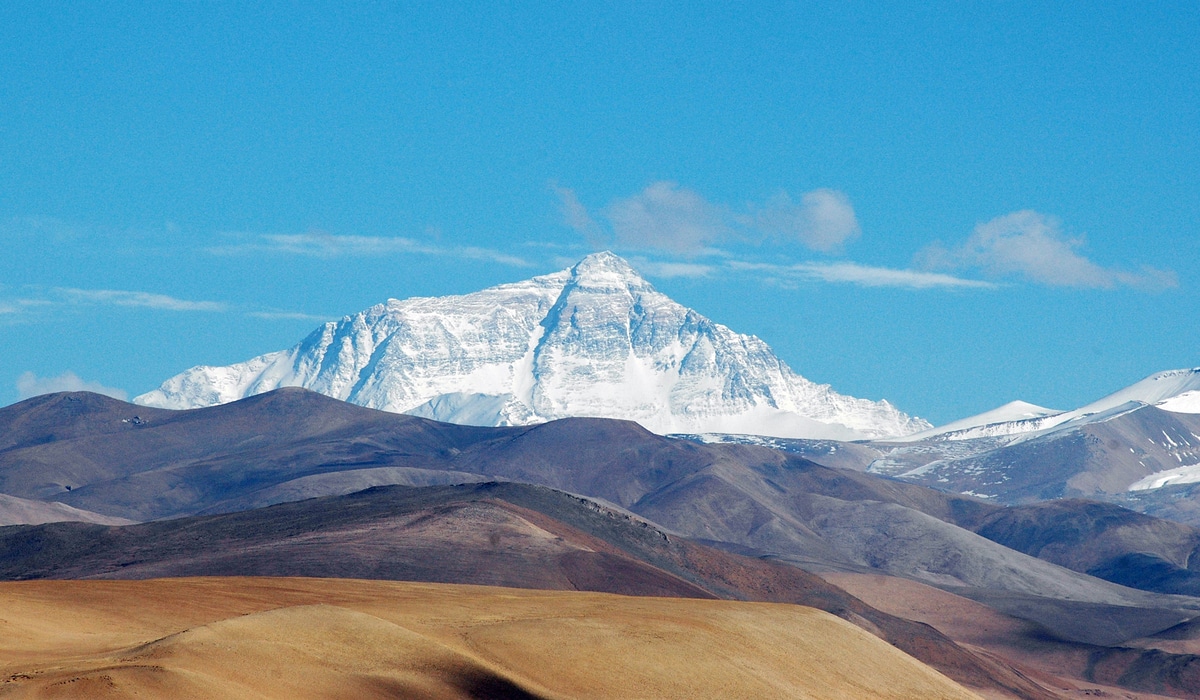
The Himalayas: Home to Mount Everest and other towering peaks, Nepal is a haven for trekking and mountaineering enthusiasts.

Rich Cultural Heritage: With UNESCO World Heritage sites like Kathmandu Durbar Square, Bhaktapur, and Swayambhunath (Monkey Temple), Nepal boasts an unparalleled cultural tapestry.

Adventure Sports: Activities such as paragliding, white-water rafting, and bungee jumping draw thrill-seekers from around the globe.

Spiritual Retreats: Nepal is a spiritual haven, with iconic sites like Lumbini (the birthplace of Buddha) and numerous meditation retreats.

Planning Your Trip from Dubai to Nepal

1. Visa Requirements

Nepal offers a visa-on-arrival service for UAE residents and most nationalities. Here’s what you need:

Valid Passport: Your passport must have at least six months of validity.

Visa Application Form: You can fill this out online or upon arrival at Tribhuvan International Airport in Kathmandu.

Passport Photos: Bring two recent passport-sized photos.

Visa Fee: The fee depends on the duration of your stay (e.g., USD 30 for 15 days, USD 50 for 30 days).

2. Flight Options

Direct flights from Dubai to Kathmandu are offered by airlines such as Flydubai and Nepal Airlines. The flight duration is approximately 4 hours and 30 minutes. Book your tickets in advance to secure the best deals, especially during peak seasons (March-May and September-November).

3. Best Time to Visit

Spring (March-May): Ideal for trekking, with blooming rhododendrons and clear skies.

Autumn (September-November): Perfect for cultural exploration and trekking, thanks to pleasant weather and vibrant festivals like Dashain and Tihar.

Winter (December-February): Suitable for lower-altitude treks and cultural tours.

Monsoon (June-August): While trekking is challenging due to rain, this season offers lush landscapes and fewer crowds.

Must-Visit Destinations in Nepal

1. Kathmandu Valley

The cultural heart of Nepal, Kathmandu Valley, is home to ancient temples, bustling markets, and historic palaces. Highlights include:

Pashupatinath Temple: A sacred Hindu temple on the banks of the Bagmati River.

Boudhanath Stupa: One of the largest stupas in the world, it’s a significant site for Tibetan Buddhism.

Thamel: A vibrant area with shops, restaurants, and cafes catering to tourists.

2. Pokhara

Known as the gateway to the Annapurna Circuit, Pokhara is a serene city offering breathtaking views of the Annapurna range. Must-see attractions include:

Phewa Lake: Enjoy boating while soaking in views of the Himalayas.

Sarangkot: A popular spot for sunrise views and paragliding.

Devi’s Fall: A fascinating waterfall with an underground tunnel.

3. Chitwan National Park

A UNESCO World Heritage site, Chitwan is perfect for wildlife enthusiasts. Activities include:

Jungle Safari: Spotting rhinos, tigers, and other wildlife.

Canoeing: A tranquil experience on the Rapti River.

Cultural Programs: Witness traditional Tharu dance performances.

4. Lumbini

The birthplace of Lord Buddha, Lumbini is a spiritual destination with monasteries and meditation centers. Don’t miss the Maya Devi Temple and the Ashokan Pillar.

5. Everest Region

For trekking enthusiasts, the Everest region offers unparalleled experiences, from the Everest Base Camp trek to scenic helicopter tours.

Budgeting for Your Nepal Tour

Nepal is an affordable destination. Here’s a breakdown of estimated costs:

Flights: AED 1,200 – AED 2,000 (round trip)

Accommodation: Budget hotels start at AED 50 per night, while mid-range hotels cost AED 150 – AED 300.

Food: AED 15 – AED 30 per meal for local cuisine.

Transportation: Local taxis and buses are economical, costing AED 10 – AED 50 per ride.

Activities: Trekking permits (TIMS and ACAP) cost around AED 200, while adventure sports vary between AED 300 – AED 600.

Travel Tips for a Smooth Journey

Health Precautions: Carry a first-aid kit, drink bottled water, and consider altitude sickness medication for high-altitude treks.

Currency Exchange: The local currency is the Nepalese Rupee (NPR). Exchange money at authorized counters or ATMs.

Packing Essentials: Pack layers for varying weather, trekking gear if needed, and comfortable walking shoes.

Respect Local Culture: Dress modestly, especially at religious sites, and follow local customs.

Stay Connected: Purchase a local SIM card for internet and calls. Major providers like Ncell and Nepal Telecom offer affordable packages.

Conclusion

A Nepal tour from Dubai is an enriching experience filled with adventure, culture, and natural beauty. With direct flights, affordable travel options, and diverse attractions, Nepal is an accessible and rewarding destination for Dubai residents. Whether you’re trekking through the Himalayas, exploring ancient temples, or simply relaxing by a serene lake, Nepal promises unforgettable memories.

Plan your trip today and immerse yourself in the charm of this Himalayan gem!

Top Places to Visit in Nepal in 2025

Nestled in the lap of the majestic Himalayas, Nepal is a land of breathtaking beauty, spiritual awakening, and thrilling adventure. Known for its rich cultural heritage, diverse landscapes, and warm hospitality, Nepal is a must-visit destination for travelers seeking a unique blend of nature, history, and adventure. As 2025 approaches, the country continues to attract tourists from all corners of the globe with its stunning attractions and experiences. Here’s a detailed guide to the top places to visit in Nepal in 2025:

1. Kathmandu Valley

The Kathmandu Valley is the cultural and historical heart of Nepal. Comprising three ancient cities—Kathmandu, Bhaktapur, and Patan—this UNESCO World Heritage Site is a treasure trove of temples, palaces, and monuments.

Pashupatinath Temple: A sacred Hindu temple dedicated to Lord Shiva, attracting pilgrims from around the world.

Boudhanath Stupa: One of the largest Buddhist stupas globally, a center of Tibetan Buddhism.

Durbar Squares: Each city in the valley has its Durbar Square, showcasing exquisite Newari architecture and craftsmanship.

Don’t miss wandering through Thamel, Kathmandu’s bustling tourist district, filled with shops, restaurants, and cultural performances.

2. Pokhara: The Gateway to the Himalayas

Pokhara is a serene lakeside city and the starting point for many trekking adventures. It offers a perfect mix of natural beauty and adventure activities.

Phewa Lake: Rent a boat and enjoy the stunning reflections of the Annapurna Range on the tranquil waters.

Sarangkot: Famous for its sunrise views over the Himalayas.

Adventure Sports: Paragliding, zip-lining, and ultralight flights make Pokhara a hub for thrill-seekers.

Pokhara is also the gateway to popular trekking routes, including the Annapurna Circuit and Annapurna Base Camp.

3. Chitwan National Park

For wildlife enthusiasts, Chitwan National Park is an unmissable destination. A UNESCO World Heritage Site, the park is home to Bengal tigers, one-horned rhinoceroses, and a variety of bird species.

Jungle Safari: Explore the dense forests on a jeep or elephant-back safari.

Tharu Culture: Experience the unique traditions of the Tharu community through cultural programs.

Canoeing: Drift along the Rapti River and spot crocodiles and exotic birds.

Chitwan’s commitment to conservation makes it an ideal destination for eco-tourism in 2025.

4. Lumbini: The Birthplace of Buddha

Lumbini is a sacred pilgrimage site for Buddhists worldwide. This UNESCO World Heritage Site offers a serene environment to explore the early life of Siddhartha Gautama, who became Buddha.

Maya Devi Temple: Built on the exact spot where Buddha was born.

Monastic Zones: Visit monasteries constructed by various countries, showcasing diverse Buddhist architecture.

Ashokan Pillar: A historical marker erected by Emperor Ashoka in the 3rd century BCE.

Lumbini’s tranquility provides a perfect escape for spiritual seekers and history enthusiasts.

5. Everest Region (Khumbu)

The Everest Region is synonymous with adventure and is a dream destination for trekkers and mountaineers. The region offers breathtaking views of the world’s highest peak, Mount Everest.

Trekking Routes: The Everest Base Camp Trek and Gokyo Lakes Trek are iconic journeys.

Namche Bazaar: A vibrant Sherpa town and the gateway to Everest.

Tengboche Monastery: A spiritual haven with panoramic mountain views.

While summiting Everest may be for the few, trekking through this region is a life-changing experience.

6. Langtang Valley

Langtang Valley, often referred to as the “Valley of Glaciers,” is a hidden gem for nature lovers and trekkers seeking less crowded trails.

Langtang National Park: Rich in biodiversity, featuring red pandas, Himalayan tahrs, and various bird species.

Kyanjin Gompa: A serene monastery surrounded by towering peaks.

Cultural Insights: Interact with Tamang and Tibetan communities and learn about their traditions.

Langtang offers a mix of cultural and natural exploration, perfect for 2025’s off-the-beaten-path adventures.

7. Mustang: The Forbidden Kingdom

The Mustang region, divided into Upper and Lower Mustang, is known for its stark desert landscapes and ancient Tibetan culture.

Lo Manthang: The walled city and former capital of the Kingdom of Mustang.

Tiji Festival: A colorful celebration of Tibetan Buddhism, held annually.

Caves and Monasteries: Explore ancient caves and monasteries carved into cliffs.

Mustang’s unique geography and culture make it one of the most fascinating places to visit in Nepal.

8. Rara Lake

Rara Lake, the largest lake in Nepal, is a tranquil paradise surrounded by snow-capped mountains and dense forests.

Rara National Park: Home to endangered species like the red panda and snow leopard.

Boating and Hiking: Enjoy peaceful boat rides and scenic hikes around the lake.

Remote Beauty: Far from the bustling tourist hubs, Rara Lake offers an untouched natural escape.

Visiting Rara Lake in 2025 promises solitude and serenity.

9. Patan (Lalitpur)

Patan, known as the “City of Fine Arts,” is renowned for its rich cultural heritage and artistic traditions.

Patan Durbar Square: A UNESCO World Heritage Site with intricate temples and palaces.

Museum of Patan: Showcasing the history and art of the region.

Craft Workshops: Witness artisans creating traditional metal and woodwork.

Patan’s charm lies in its blend of ancient traditions and modern vibrancy.

10. Gosaikunda Lake

Gosaikunda, a sacred alpine lake, holds immense religious significance for Hindus and Buddhists.

Pilgrimage Site: Thousands of devotees visit during the Janai Purnima festival.

Trekking Routes: The Gosaikunda Trek offers spectacular mountain views and spiritual fulfillment.

Mythological Significance: Believed to be created by Lord Shiva to quench his thirst.

The serene environment and mystical aura of Gosaikunda make it a must-visit.

Tips for Traveling to Nepal in 2025

Best Time to Visit: Spring (March to May) and autumn (September to November) are ideal for pleasant weather and clear skies.

Permits and Fees: Ensure you have the necessary permits for trekking and visiting restricted areas like Upper Mustang.

Sustainable Travel: Support local communities and minimize your environmental impact by choosing eco-friendly accommodations and avoiding single-use plastics.

Cultural Sensitivity: Respect local customs and traditions, especially in religious sites.

Travel Insurance: Opt for comprehensive insurance that covers high-altitude trekking and adventure activities.

Conclusion

Nepal’s diverse landscapes, rich cultural heritage, and thrilling adventures make it an unparalleled destination for 2025. Whether you’re seeking spiritual solace, natural beauty, or adrenaline-pumping activities, Nepal has something for everyone. From the bustling streets of Kathmandu to the serene trails of Langtang Valley, every corner of this Himalayan nation promises an unforgettable journey. Start planning your trip to Nepal in 2025 and immerse yourself in the magic of this enchanting land.

Nepal Tour and Hair Transplant Services: A Complete Guide 

Nepal, a country renowned for its stunning landscapes, cultural heritage, and vibrant history, is quickly becoming a hub for medical tourism, particularly for hair transplant services. Tourists and locals alike are now able to combine their travel adventures with affordable, high quality medical treatments.  Whether you’re exploring the heights of the Himalayas, visiting ancient  temples, or rejuvenating your appearance, Nepal offers a unique experience for travelers and  medical tourists. 

This article will provide a detailed overview of what to expect from a tour in Nepal, the growing hair transplant industry, and how to combine both for a seamless experience. 

1. Exploring Nepal: A Traveler’s Paradise 

Nepal is a land of contrasts. From the soaring peaks of the Himalayas to the low lying Terai plains, the country offers an unparalleled range of experiences for tourists. Here’s what makes Nepal an unforgettable destination: 

1.1 Trekking in the Himalayas 

Nepal is home to eight of the world’s ten highest peaks, including Mount Everest.  For adventure  seekers, trekking in Nepal offers an opportunity to witness some of the most breathtaking landscapes on Earth. The Annapurna Circuit, Everest Base Camp Trek, and the Langtang Valley Trek are among the most popular trekking routes, attracting hikers from all over the world. 

1.2 Cultural and Historical Experiences 

Nepal’s history dates back thousands of years, and its culture is deeply rooted in Hinduism and Buddhism. In Kathmandu, the capital city, visitors can explore UNESCO World Heritage Sites like Swayambhunath (the Monkey Temple), Boudhanath Stupa, and Pashupatinath Temple. These spiritual and historical landmarks offer a glimpse into Nepal’s religious significance and its rich cultural heritage. 

1.3 Wildlife and Nature 

For nature lovers, Nepal is home to a diverse range of flora and fauna. Chitwan National Park and Bardia National Park are popular spots for jungle safaris, where visitors can see rare species such as the Bengal tiger, one horned rhinoceros, and various exotic birds. 

1.4 Adventure Sports 

If you’re an adrenaline junkie, Nepal won’t disappoint. White-water rafting, paragliding over Pokhara, bungee jumping near the Bhote Koshi River, and mountain biking are just a few of the many adventure sports available. 

1.5 Cuisine and Hospitality 

Nepalese food is a delightful fusion of flavors influenced by India, Tibet, and China. While visiting, you must try traditional dishes like momo (dumplings), dal bhat (lentil soup with rice), and thukpa (noodle soup). The country’s warm and welcoming hospitality ensures that tourists feel at home throughout their stay. 

2. Hair Transplant Services in Nepal: A Growing Industry 

Over the past decade, Nepal has gained a reputation as an affordable destination for medical tourism, particularly for hair transplant procedures. As more and more people seek to restore their hairlines and boost their confidence, the demand for high-quality yet affordable hair transplant services has surged. 

2.1 Why Choose Nepal for a Hair Transplant? 

There are several reasons why Nepal has become a sought-after destination for hair transplants: 

Affordability: Hair transplant procedures in Nepal are significantly less expensive than in Western countries or other medical tourism destinations like Turkey. Patients can save up to 50-70% on the cost of a procedure without compromising on quality. 

Experienced Surgeons: Nepal is home to well trained, experienced hair transplant surgeons who are skilled in the latest techniques , such as Follicular Unit Extraction (FUE) and Follicular Unit Transplantation (FUT). Many of these professionals have trained or practiced abroad, bringing international standards to Nepalese clinics. 

State-of-the Art Facilities: Clinics in Kathmandu and other major cities are equipped with modern technology and facilities that adhere to global standards. Patients can expect a clean, professional environment and excellent aftercare. 

Combined Medical Tourism: Since Nepal is already a popular tourist destination, visitors can combine their hair transplant procedure with sightseeing and relaxation. Patients can recover in serene surroundings, with minimal stress and distractions. 

2.2 Types of Hair Transplant Procedures Available in Nepal 

Hair transplant clinics in Nepal offer several types of hair restoration procedures, tailored to individual needs and preferences. The most common methods include: 

Follicular Unit Extraction (FUE): In this minimally invasive technique, individual hair follicles are extracted from the donor area (usually the back of the scalp) and implanted into the balding or thinning areas. FUE leaves no linear scars and has a faster recovery time than FUT. 

Follicular Unit Transplantation (FUT): Also known as the strip method, FUT involves removing a strip of scalp tissue from the donor area, from which individual follicular units are dissected and transplanted. While this method can leave a linear scar, it is often preferred for larger transplants. 

Platelet-Rich Plasma (PRP) Therapy: Some clinics offer PRP therapy in conjunction with hair transplants. PRP involves drawing the patient’s blood, processing it to concentrate platelets, and then injecting the plasma into the scalp to promote healing and hair growth. 

2.3 The Cost of Hair Transplants in Nepal 

The cost of a hair transplant in Nepal can vary depending on the clinic, the type of procedure, and the number of grafts required. On average, the price for FUE ranges from $1,000 to $3,500, while FUT may cost between $800 and $2,500. These prices are considerably lower than in countries like the United States or the United Kingdom, where similar procedures can cost upwards of $10,000. 

2.4 Top Hair Transplant Clinics in Nepal 

Some of the best hair transplant clinics in Nepal are located in Kathmandu and other major cities. They offer competitive pricing, experienced surgeons, and modern facilities. Some of the most well-known clinics include: 

Kathmandu Skin Hospital and Cosmetic Surgery: This clinic offers both FUE and FUT hair transplant methods. They have a team of experienced dermatologists and cosmetic surgeons who specialize in hair restoration. 

Eden Aesthetics and Hair Transplant Center: Known for offering advanced hair transplant techniques like DHI (Direct Hair Implantation), this clinic in Kathmandu focuses on providing personalized care to each patient. 

Nirvana Aesthetics Clinic: Located in the heart of Kathmandu, this clinic offers a range of cosmetic treatments, including FUE and FUT hair transplants. 

3. Combining a Nepal Tour with a Hair Transplant Procedure 

For those considering a hair transplant in Nepal, combining the procedure with a tour of the country can be a rewarding and memorable experience. Here’s how you can plan your medical tourism trip: 

3.1 Pre-Treatment Exploration 

Before your hair transplant procedure, take some time to explore Nepal. Depending on your interests, you could: 

∙Visit the temples and markets of Kathmandu 

∙Embark on a short trek around the Kathmandu Valley or Pokhara 

∙Experience the tranquility of Buddhist monasteries 

Exploring these destinations before your procedure allows you to enjoy physical activities like trekking without worrying about the post-operative recovery period. 

3.2 The Procedure and Recovery 

Once you’ve enjoyed some sightseeing, it’s time for the hair transplant procedure. Most clinics require only one or two days for the actual treatment, followed by a short recovery period. After the procedure, you’ll need to take care of your scalp and avoid strenuous activities for a few days. 

During the recovery period, you can relax at a serene hotel, guesthouse, or even visit some of Nepal’s more laid-back attractions, such as: 

Pokhara: This lakeside city offers stunning views of the Annapurna range and peaceful surroundings, perfect for posttreatment recovery. Enjoy a boat ride on Phewa Lake or visit the World Peace Pagoda for a calming experience. 

Nagarkot: Known for its panoramic views of the Himalayas, Nagarkot is a hilltop destination that offers tranquility and fresh air. It’s an ideal spot to rest and recover while enjoying the natural beauty of Nepal. 

3.3 Post-Treatment Relaxation 

As you recover from your hair transplant, you can take advantage of Nepal’s wellness retreats and spa facilities. Several hotels in Kathmandu, Pokhara, and other tourist areas offer massage therapy, yoga classes, and Ayurvedic treatments to help you unwind. 

4. Tips for a Successful Hair Transplant and Nepal Tour 

Choose a Reputable Clinic: Research the clinic thoroughly before booking. Look for reviews, check the credentials of the surgeons, and ask for before-and-after photos of previous patients. 

Consultation and Planning: Have an in-depth consultation with the clinic prior to your trip. This will allow you to understand the process, timeline, and post-operative care instructions. 

Plan Recovery Time: Make sure you allocate enough time for recovery. While the procedure is minimally invasive, it’s essential to rest and avoid activities like trekking for at least a few days post-surgery. 

Combine Wellness with Adventure: Balance your trip by mixing adventure activities before your surgery and wellness or cultural experiences afterward. 

Conclusion 

Nepal is not only a dream destination for adventure seekers and cultural enthusiasts but also a growing hub for affordable hair transplant services. By combining a Nepal tour with a hair transplant procedure, you can enjoy the best of both worlds—transformative travel and transformative care. With modern clinics, experienced surgeons, and the backdrop of the majestic Himalayas, Nepal offers a unique experience for those looking to restore their hair and their sense of wonder. 

Tattooing in Nepal: A Growing Trend and Gateway to Adventure 

Tattooing in Nepal has evolved from a cultural tradition to a burgeoning art form, attracting both locals and international tourists. The tattoo culture in Nepal has deep roots in ancient customs and beliefs, with various indigenous tribes having their own unique tattooing traditions. Today, Nepal has become a popular destination for tattoo enthusiasts who seek not only unique tattoo designs inspired by the country’s rich heritage but also the adventure and natural beauty the country offers. Tattoo tourism is emerging as a significant aspect of Nepal’s tourism industry, where visitors get inked and explore Nepal’s breathtaking landscapes.

The Rise of Tattoo Culture in Nepal

Tattooing in Nepal has a long history, with traditional tattoos often symbolizing spiritual beliefs, social status, or rites of passage. Tribes such as the Tharu and Newars have practiced tattooing for centuries, with designs often featuring elements from nature, religious symbols, and cultural motifs. However, in recent years, the tattoo scene in Nepal has undergone a transformation, merging traditional styles with contemporary tattoo art. Modern tattoo studios have sprung up in major cities like Kathmandu and Pokhara, where skilled artists offer a wide range of styles, from traditional Nepalese motifs to modern, minimalist designs. Nepal’s tattoo industry is now known for its blend of artistic innovation and cultural authenticity, drawing tattoo aficionados from around the world. The vibrant tattoo festivals held in Nepal, such as the Nepal Tattoo Convention, further highlight the growing popularity and acceptance of tattoo culture within the country.

Tattoo Tourism: A Unique Blend of Art and Adventure

Tattoo tourism is a unique trend that has gained traction in Nepal. It caters to tourists who are looking for more than just a piece of art on their skin; they seek an experience that combines cultural immersion, personal expression, and adventure. Nepal’s appeal as a tattoo tourism destination lies in its rich heritage, skilled tattoo artists, and the opportunity to explore some of the world’s most stunning landscapes.

Kathmandu: The Heart of Tattoo Culture

Kathmandu, the capital city of Nepal, is the epicenter of tattoo culture in the country. With numerous tattoo studios operated by internationally recognized artists, Kathmandu offers a variety of styles and designs, ranging from intricate mandalas to traditional Nepalese symbols like the lotus and the Om. After getting tattooed, visitors can explore Kathmandu’s cultural heritage, visiting UNESCO World Heritage Sites such as Swayambhunath (Monkey Temple), Pashupatinath Temple, and Boudhanath Stupa.

Pokhara: Adventure Hub and Tattoo Destination

Pokhara, known for its stunning lakes and as a gateway to the Annapurna mountain range, is another popular destination for tattoo enthusiasts. Tattoo studios in Pokhara provide a serene environment where one can get a tattoo with the backdrop of the Himalayas. After the tattooing experience, visitors can indulge in a variety of outdoor activities like paragliding, boating on Phewa Lake, or embarking on the famous Annapurna Base Camp trek. This blend of art and adventure makes Pokhara a top choice for those seeking a holistic tattoo tourism experience.

Tattoo and Trekking: A Perfect Combination

One of the unique aspects of tattoo tourism in Nepal is the combination of getting a tattoo and then embarking on a trekking adventure. Treks like the Everest Base Camp, Langtang Valley, and the Manaslu Circuit offer trekkers the chance to connect with nature and reflect on their tattoo journey. Many tattoo tourists find trekking a transformative experience that complements their new tattoo, making the journey more memorable and meaningful.

Popular Tattoo Studios in Nepal

Several renowned tattoo studios in Nepal have gained popularity for their skilled artists and unique styles. Some of the top studios include:

. Mohit’s Tattoo Inn in Kathmandu, known for its intricate black and grey tattoos, blending traditional Nepalese art with modern designs.

∙Gagan Tattoo Studio in Pokhara, famous for its colorful and bold tattoos, often inspired by local flora and fauna.

∙Steeve’s Tattoo Studio in Kathmandu, recognized for its custom designs that cater to both traditional and contemporary tastes.

These studios not only provide high-quality tattoo art but also ensure hygiene and safety standards, making them popular among international tourists.

How Tattoo Tourism Benefits Nepal

Tattoo tourism has positively impacted Nepal’s economy by attracting a niche segment of tourists who are interested in both cultural experiences and adventure. Tattoo tourists often spend more time in the country, engaging in activities beyond tattooing, such as trekking, sightseeing, and participating in local cultural events. This extended stay benefits local businesses, from hotels and restaurants to trekking agencies and souvenir shops.

Moreover, tattoo tourism has helped promote Nepal as a diverse destination that offers more than just mountains and treks. It showcases the country’s rich cultural heritage and contemporary art scene, attracting tourists who might not have considered Nepal a destination otherwise.

Destinations to Explore After Tattooing in Nepal

After getting inked, there are several incredible destinations in Nepal that tattoo tourists often explore:

Everest Region: A trek to Everest Base Camp is a bucket-list adventure for many. The trek takes visitors through Sherpa villages, ancient monasteries, and breathtaking mountain scenery, offering a spiritual journey that complements the personal expression of tattooing.

Langtang Valley: Known as the valley of glaciers, Langtang offers stunning views, lush forests, and a rich cultural experience with the Tamang community. It is a less crowded trek, ideal for those looking to experience tranquility after getting a tattoo.

Chitwan National Park: For those interested in wildlife, Chitwan offers jungle safaris where you can spot Bengal tigers, one-horned rhinos, and a variety of bird species. It provides a relaxing environment to heal and reflect after the tattooing process.

Rara Lake: Located in the remote northwest of Nepal, Rara Lake is the largest lake in Nepal and offers a serene and pristine environment. It is perfect for those seeking solitude and natural beauty after their tattoo adventure.

Conclusion

Tattooing in Nepal is more than just body art; it is a journey that combines cultural exploration, personal expression, and adventure. The rise of tattoo tourism has not only highlighted Nepal’s rich tattoo culture but has also contributed to the local economy by attracting a diverse group of travelers. Whether you’re getting a traditional design or a contemporary piece, Nepal offers an unparalleled tattoo experience, followed by some of the most beautiful treks and destinations in the world. For those looking to combine art with adventure, Nepal is a destination that offers the best of both worlds.

Embarking on the Spiritual Odyssey: The Magnificence of Kailash Mansarovar Yatra For Indians

In the heart of the Himalayas lies a sacred pilgrimage revered by millions for centuries – the Kailash Mansarovar Yatra. Embarking on this spiritual odyssey is not merely a journey of physical endurance but a profound exploration of one’s inner sanctum and spiritual quest. For Indians, this pilgrimage holds an unparalleled significance, weaving together the tapestry of ancient mythology, religious devotion, and natural wonder. In this comprehensive guide, we delve into the depths of Kailash Mansarovar Yatra, uncovering its historical, cultural, and spiritual dimensions.

Historical and Mythological Roots:

The roots of Kailash Mansarovar Yatra trace back to the annals of Hindu mythology, where Mount Kailash finds its mention as the celestial abode of Lord Shiva. According to Hindu beliefs, Mount Kailash is the axis mundi, the center of the universe, around which all cosmic forces revolve. It is here that Lord Shiva, the supreme ascetic, is said to reside in perpetual meditation, epitomizing the eternal and immutable nature of existence.

The significance of Mansarovar Lake intertwines with this mythological narrative, believed to be created by Lord Brahma, the creator of the universe. As per Hindu scriptures, a dip in the pristine waters of Mansarovar cleanses one’s sins and paves the way for spiritual liberation.

Check Kailash Mansarovar Yatra Package

Spiritual Significance:

For devout Hindus, embarking on the Kailash Mansarovar Yatra is a lifelong aspiration and a pinnacle of spiritual achievement. The journey is not merely about visiting sacred sites but undergoing a transformative inner journey, seeking communion with the divine.

The arduous trek around Mount Kailash, known as the Kailash Parikrama, is considered a test of one’s physical endurance and spiritual resolve. Pilgrims traverse rugged terrains, high mountain passes, and precarious trails, all the while immersed in prayers, chants, and meditation. The journey is as much about overcoming external obstacles as it is about conquering one’s inner demons, symbolizing the triumph of spirituality over worldly desires.

Check Kailash Mansarovar Yatra Package

Cultural Reverence and Traditions:

The Kailash Mansarovar Yatra is deeply entrenched in the cultural fabric of India, embodying the country’s rich heritage and spiritual ethos. Pilgrims hail from diverse backgrounds, yet they are united by a common thread of faith and devotion.

Throughout the journey, pilgrims partake in age-old rituals and traditions, offering prayers at sacred shrines, lighting butter lamps, and performing circumambulations around Mount Kailash. The atmosphere is charged with devotion, resonating with the melodious chants of “Om Namah Shivaya” that reverberate through the Himalayan valleys.

Check Kailash Mansarovar Yatra Package

Logistical Challenges and Preparations:

Undertaking the Kailash Mansarovar Yatra is not without its challenges. The remote location, extreme weather conditions, and rugged terrain make it a daunting expedition even for the most seasoned travelers. Proper planning, preparation, and physical fitness are imperative for a successful yatra.

Pilgrims need to acquire necessary permits, arrange for transportation, accommodation, and logistics well in advance. Additionally, acclimatization to high altitudes is crucial to prevent altitude sickness and ensure a safe journey.

Check Kailash Mansarovar Yatra Package

Contemporary Significance:

In contemporary times, the Kailash Mansarovar Yatra continues to draw pilgrims from across India and the world, transcending boundaries of religion, nationality, and culture. The yatra serves as a symbol of India’s enduring spiritual legacy and cultural diplomacy, fostering goodwill and understanding among nations.

Moreover, the yatra holds immense economic significance for the regions surrounding Mount Kailash, providing livelihood opportunities for local communities through tourism and pilgrimage-related activities.

Check Kailash Mansarovar Yatra Package

Faqs about Kilash Mansarovar Yatra For Indians:

Here’s a set of frequently asked questions (FAQs) regarding the Kailash Mansarovar Yatra for Indian passport holders:

What is the Kailash Mansarovar Yatra?

The Kailash Mansarovar Yatra is a sacred pilgrimage to Mount Kailash and Lake Mansarovar, located in the Tibetan Autonomous Region of China. It holds deep religious significance for Hindus, Buddhists, Jains, and Bon followers.

Who is eligible to undertake the Kailash Mansarovar Yatra?

Indian citizens with a valid non-Indian passport are eligible to participate in the Kailash Mansarovar Yatra. However, there may be certain age and health restrictions in place.

How can I apply for the Kailash Mansarovar Yatra?

Indian citizens can apply for the Kailash Mansarovar Yatra through the Ministry of External Affairs, Government of India. The application process typically involves filling out an online application form and providing necessary documents such as passport details, medical certificates, and other relevant information.

When does the Kailash Mansarovar Yatra take place?

The Kailash Mansarovar Yatra usually takes place from May to September each year, coinciding with favorable weather conditions and accessibility of the pilgrimage route.

What is the duration of the Kailash Mansarovar Yatra?

The duration of the Kailash Mansarovar Yatra varies depending on the route chosen and the mode of transportation. It typically ranges from 15 to 25 days, including travel time from India to the starting point of the yatra, the actual pilgrimage, and the return journey.

What are the different routes for the Kailash Mansarovar Yatra?

The two main routes for the Kailash Mansarovar Yatra are the Lipulekh Pass route via Uttarakhand and the Nathu La Pass route via Sikkim. The Lipulekh Pass route is the traditional route, while the Nathu La Pass route is relatively newer and more accessible.

What are the physical fitness requirements for the Kailash Mansarovar Yatra?

The Kailash Mansarovar Yatra involves trekking at high altitudes and rugged terrain, which can be physically demanding. Pilgrims are required to be in good health and physical condition, with adequate stamina and endurance for the journey. It is advisable to undergo a medical check-up before embarking on the yatra.

What permits and documents are required for the Kailash Mansarovar Yatra?

NRI Indian citizens need to obtain necessary permits and documents, including the Inner Line Permit (ILP) for the Lipulekh Pass route or the Restricted Area Permit (RAP) for the Nathu La Pass route. Other documents such as passport, visa, medical certificates, and undertaking forms may also be required.

What are the accommodation and facilities available during the Kailash Mansarovar Yatra?

Accommodation during the Kailash Mansarovar Yatra typically includes guesthouses, tents, and basic lodges along the pilgrimage route. Basic facilities such as food, water, medical assistance, and communication services are available at designated stopovers and campsites.

What are the safety and security measures in place for the Kailash Mansarovar Yatra?

The Indian government, in coordination with local authorities and agencies, ensures safety and security for pilgrims undertaking the Kailash Mansarovar Yatra. This includes providing medical assistance, emergency evacuation services, and maintaining communication channels throughout the journey.

Is photography allowed during the Kailash Mansarovar Yatra?

Photography is generally allowed during the Kailash Mansarovar Yatra, except in restricted or sensitive areas where special permissions may be required. Pilgrims are advised to respect local customs and sensitivities regarding photography, particularly at religious sites and monasteries.

What should I carry during the Kailash Mansarovar Yatra?

Pilgrims should carry essential items such as warm clothing, trekking gear, sturdy footwear, personal medications, toiletries, sunscreen, sunglasses, and a first aid kit. It is advisable to pack light and carry only necessary items due to weight restrictions on vehicles and porters.

Can I undertake the Kailash Mansarovar Yatra independently or do I need to join a group?

Indian citizens can undertake the Kailash Mansarovar Yatra either independently or as part of a group organized by the Ministry of External Affairs or registered tour operators. Joining a group provides logistical support, safety measures, and a sense of camaraderie during the pilgrimage.

Are there any cultural or religious customs to be observed during the Kailash Mansarovar Yatra?

Pilgrims are expected to observe certain cultural and religious customs during the Kailash Mansarovar Yatra, such as offering prayers, performing circumambulations (parikrama) around Mount Kailash and Lake Mansarovar, and respecting local customs and traditions.

What is the significance of the Kailash Mansarovar Yatra for Indian passport holders?

The Kailash Mansarovar Yatra holds profound spiritual significance for Indian passport holders, as it is believed to bestow blessings, purification, and spiritual merit. It is considered a once-in-a-lifetime opportunity to undertake this sacred pilgrimage and seek the divine grace of Lord Shiva.

These FAQs aim to provide comprehensive information for Indian passport holders planning to undertake the Kailash Mansarovar Yatra, addressing common queries and concerns related to the pilgrimage process, logistics, safety, and cultural aspects

Conclusion:

In conclusion, the Kailash Mansarovar Yatra stands as a testament to the enduring spirit of human quest for transcendence and enlightenment. For Indians, it is not merely a pilgrimage but a sacred journey of self-discovery, faith, and devotion. As pilgrims tread the ancient trails of the Himalayas, they are reminded of the timeless wisdom enshrined in its snow-capped peaks and crystal-clear waters – a wisdom that transcends the boundaries of time and space, guiding humanity towards the eternal light of truth and liberation.